

When the immune system overreacts: understanding allergies
Horses show allergy symptoms in a lot of different ways: itchy skin, hives, coughing, digestive upset, swelling, or flare-ups that seem to come out of nowhere. These reactions can make your horse genuinely uncomfortable, restless, and can lead to sores from severe itching. Whether it's bugs, dust, pollen, or something in their feed, understanding what's actually happening in their body goes a long way toward helping them feel better.
So what's going on in the body?
Picture a warm summer day. Flies buzzing, dust in the air, pollen everywhere, your horse picking at fresh hay. For most horses, totally fine. For some, that same situation starts a chain reaction inside the body. Tiny particles like fly saliva, dust mites, mold spores, pollen, or certain food proteins enter your horse's system. In a sensitive horse, the immune system reads them as a threat. It produces IgE antibodies specific to that allergen, and those antibodies latch onto mast cells throughout the skin, lungs, and gut. The next time that allergen shows up, the body recognizes it and mast cells degranulate, releasing histamine and other inflammatory chemicals into the surrounding tissue. Histamine irritates nerve endings, causing itching and inflames the airways leading to coughing and breathing difficulties. It can disrupt the digestive tract, causing discomfort, loose stools, and colic symptoms. Your horse is caught in a hypersensitive loop, a body that's been overreacting, stuck in a cycle of defense that's no longer helpful.
Why "immune boosting" isn't always the answer
A lot of horse guardians reach for echinacea or other immune-supporting herbs when they see these symptoms. It makes sense on the surface. If your horse is sick or run down, supporting the immune system is exactly the right call. But allergies are different. The immune system isn't weak here, it's overreacting. Already working overtime, responding to things that were never actually a threat. Adding more fuel to that fire doesn't help.
The goal is to modulate and balance. Help the body calm the histamine reaction, supporting gut health (which plays a huge role in immune regulation), and giving the immune system what it needs to stop treating harmless things like threats.
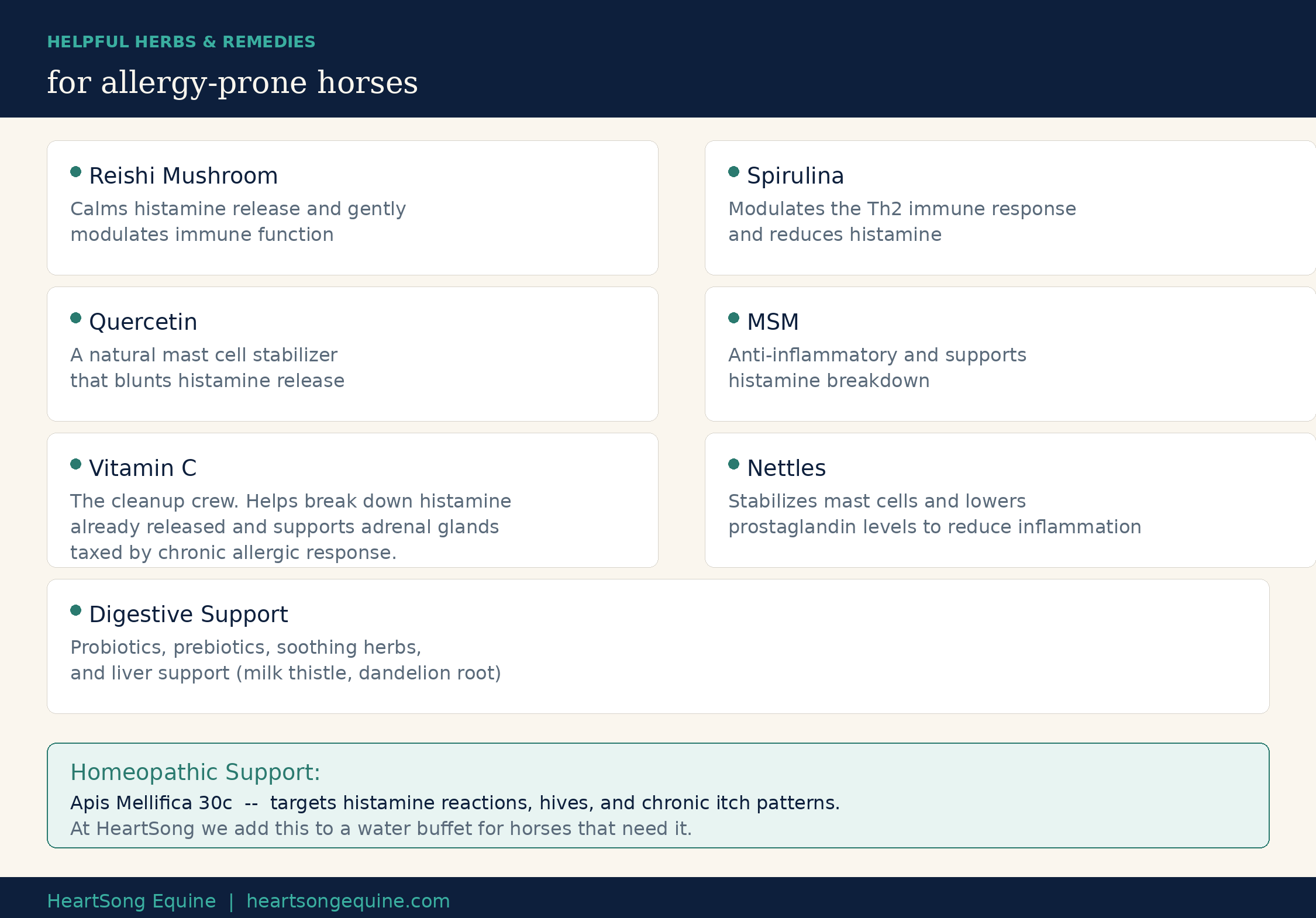
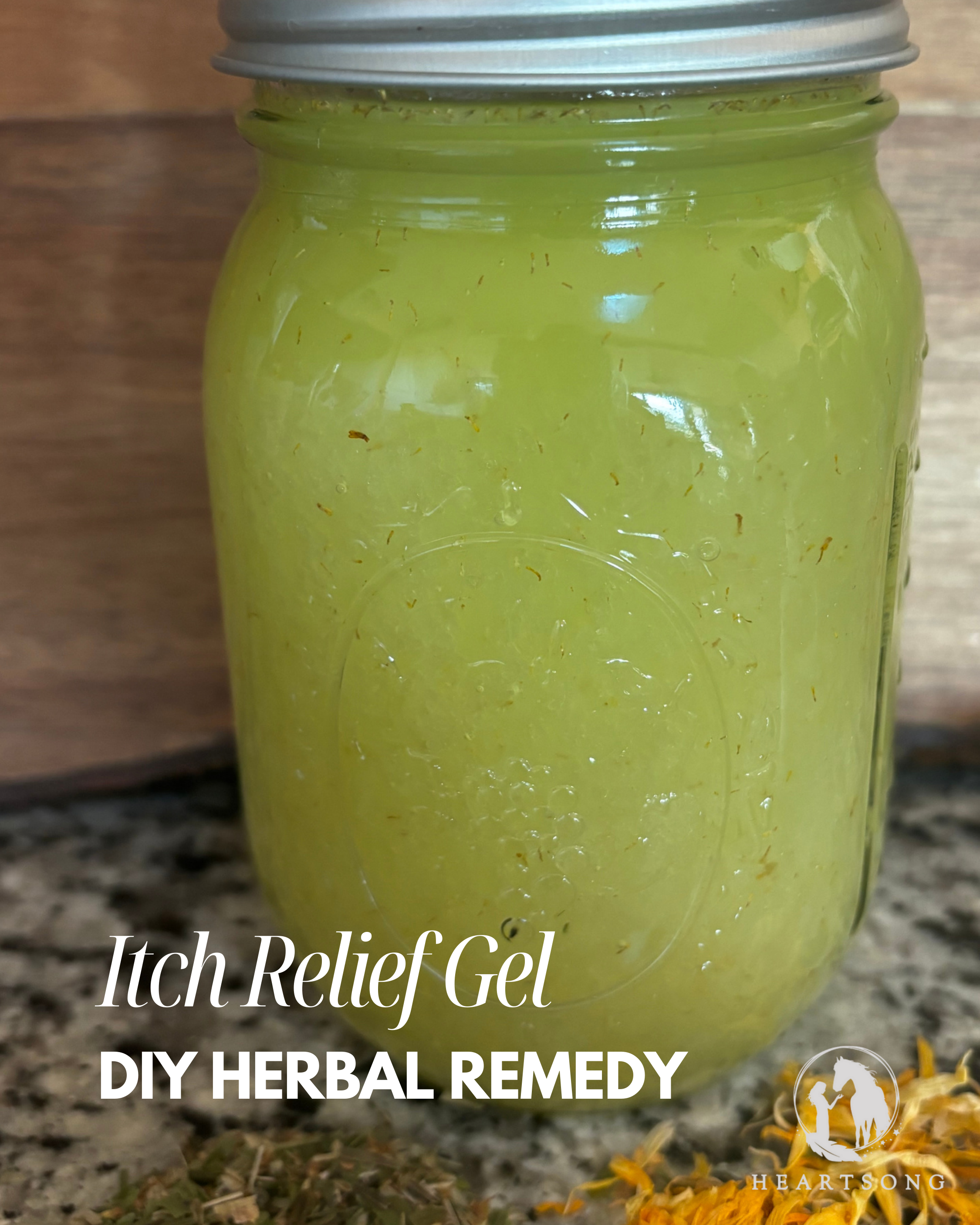
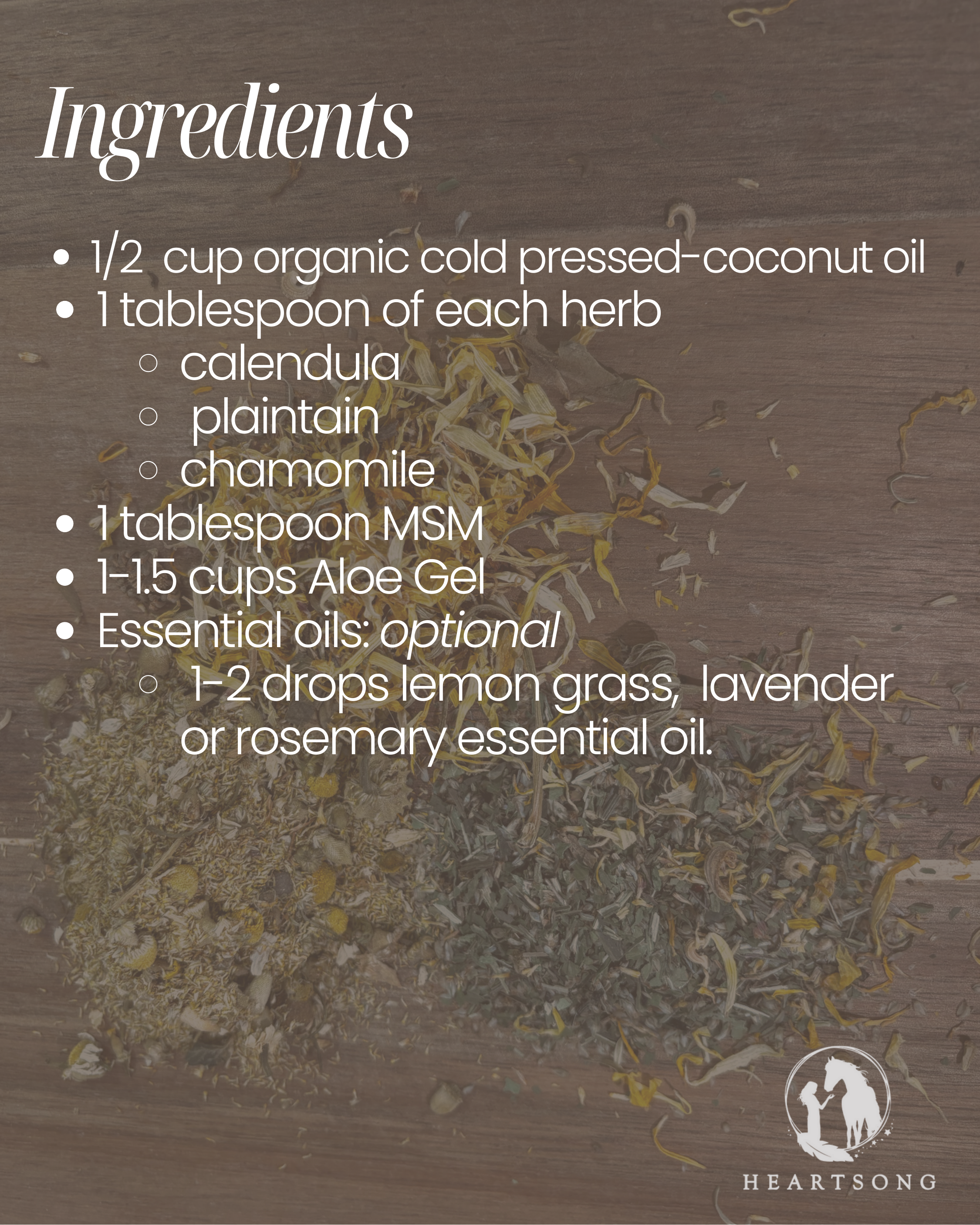
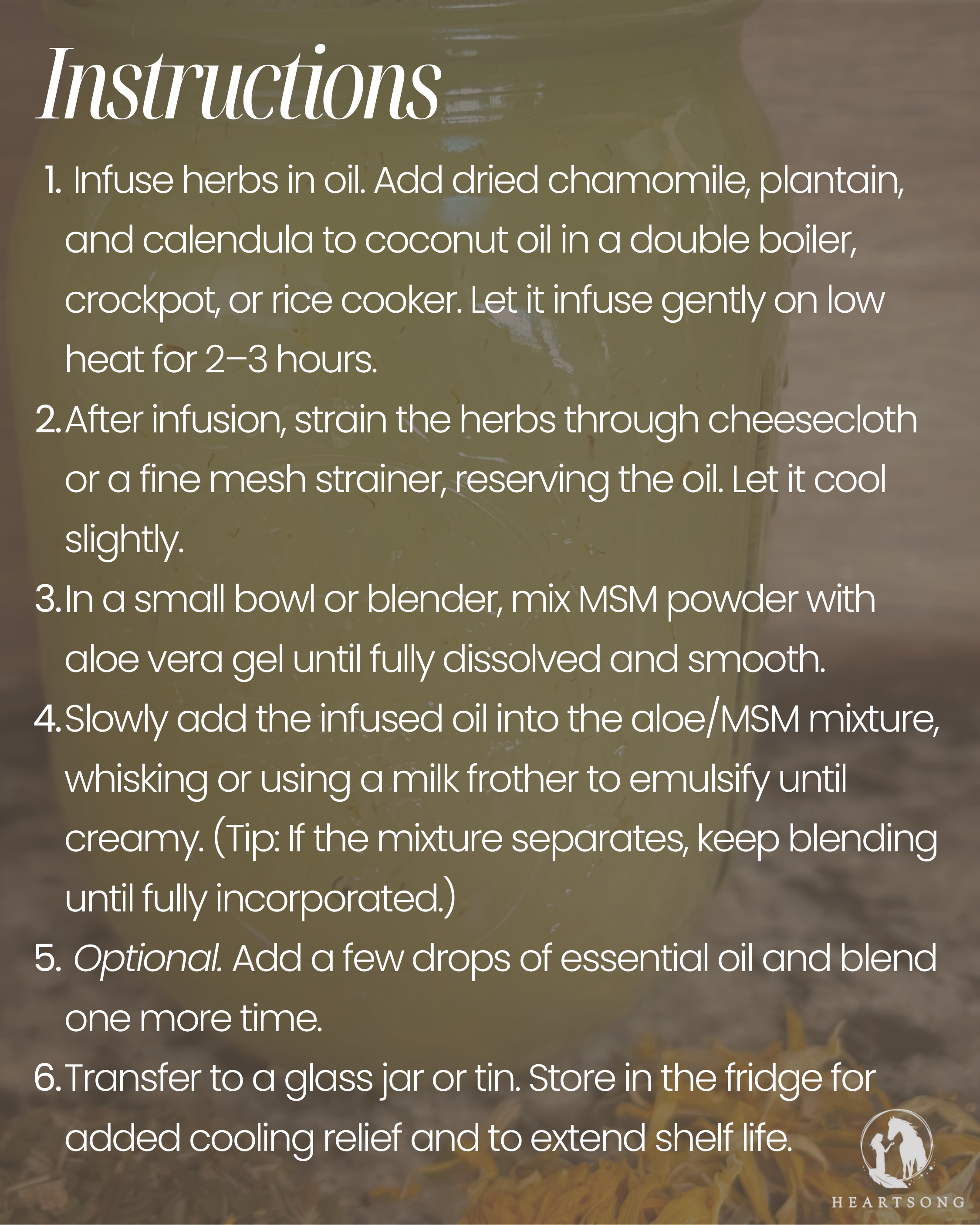
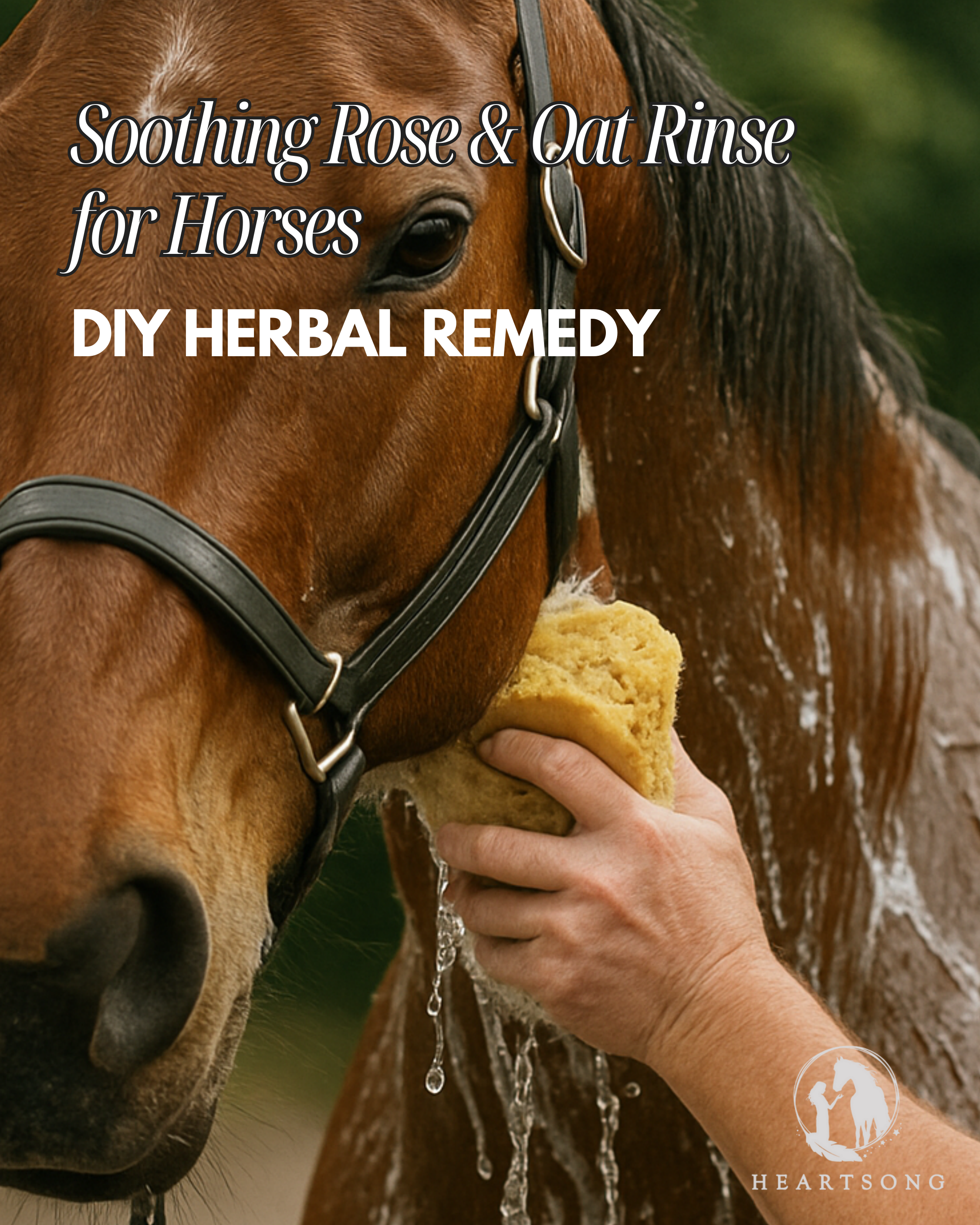
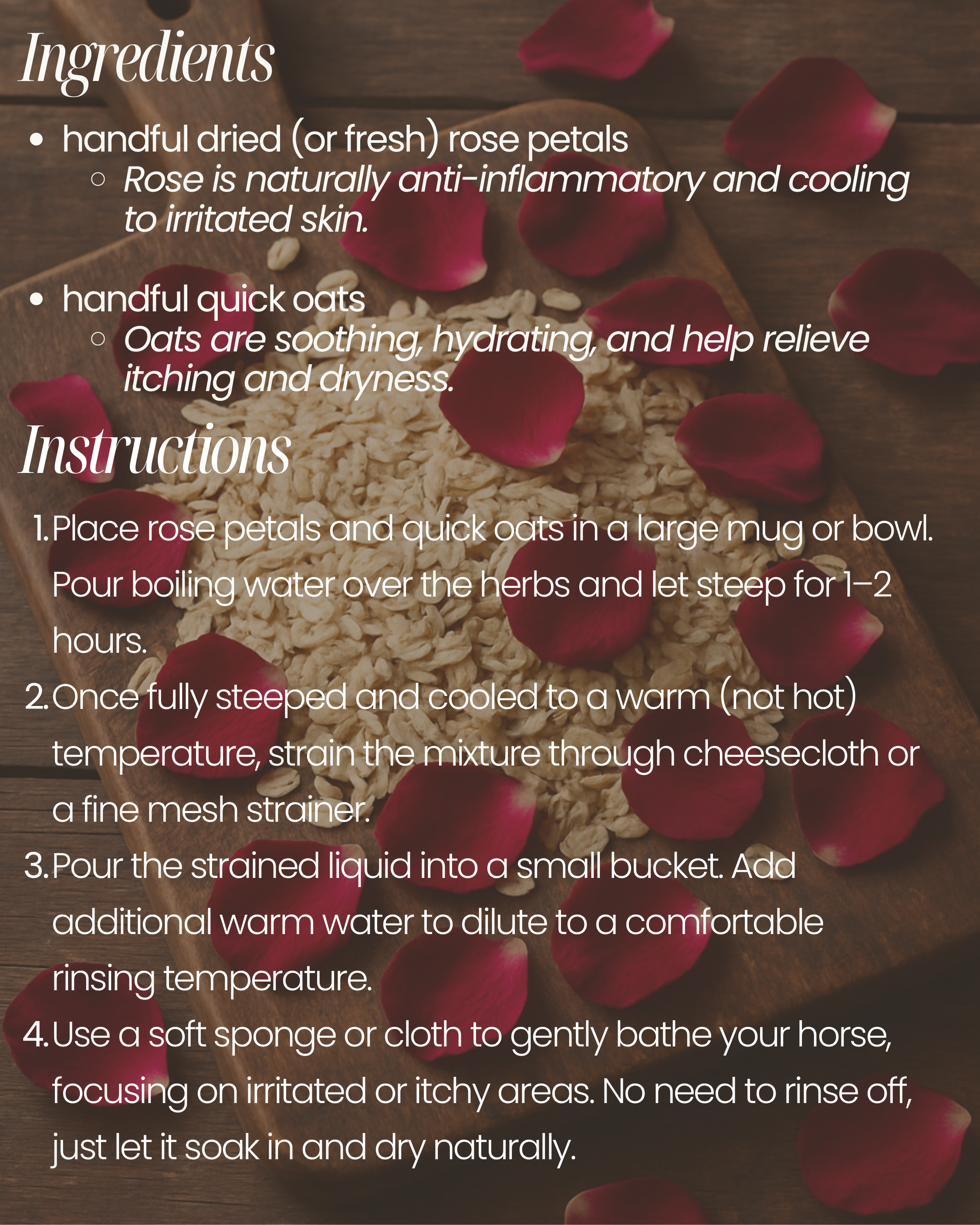
We can support our horses both internally and with topical remedies. These two remedies are simple DIY remedies to make at home and gentle enough to use daily throughout allergy season.
For more on horse health, seasonal care, and the whole-horse approach, come find me at
The Balanced Equine on Substack.
If your horse is struggling with seasonal allergies, sweet itch, or chronic skin reactivity and you want support beyond the DIY remedies, I'd love to work with you. HeartSong offers integrative bodywork sessions and allergy clearings that take a whole horse approach! Learn more about working with me here.
